- Dec 21, 2025
Surya Namaskar
- Alex Flow Yoga
- 0 comments
Where Do Salutes to the Sun Really Come From?
With the Summer Solstice coming up, it feels like a good time to talk about Salutes to the Sun, or Surya Namaskar, and where this familiar practice actually comes from.
Surya Namaskar is so common in modern yoga that it’s easy to assume it has always existed in the flowing sequence we practise today. But the truth is, it didn’t start out as a flowing sequence of postures.
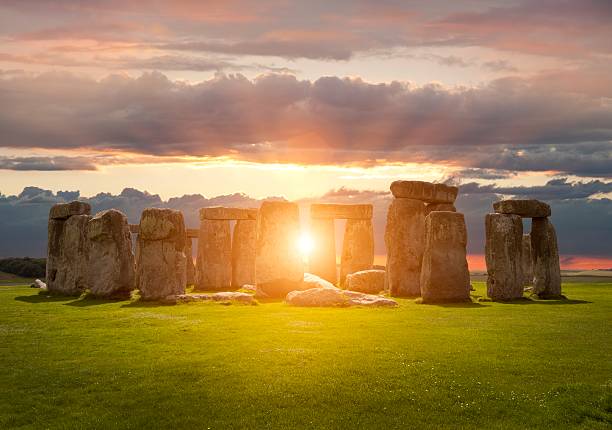
In ancient India, the sun (Surya) was honoured as a source of life, health, clarity, and vitality. During the Vedic period (around 1500–500 BCE), people greeted the rising sun with prayer, mantra and simple ritual movements like bowing. These early practices were not physical yoga sequences as we know them now, but they were acts of reverence. People turned towards the rising sun, offered gratitude and aligned themselves with natural cycles of light and darkness.
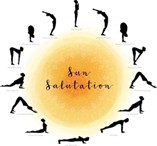
The flowing Surya Namaskar most of us recognise developed much later. The version we practise today, and there are many, really took shape in the late 19th and early 20th centuries, influenced by Indian physical culture and teachers who wanted to build strength, mobility and vitality, not just flexibility.
At its heart, Surya Namaskar movements reflect cycles: effort and ease, expansion and contraction, light and dark. Each breath and movement on the inhalation can be viewed as an expansion and each exhale and movement on an exhalation is a contraction. The purpose was alignment, internally and externally, with the rhythms of nature. Traditionally, movement was linked to breath and awareness and not perfect shapes or performance.
A Solstice Perspective
At the Summer Solstice, when the sun reaches its peak, Salutes to the Sun offer a simple reminder: to acknowledge the light that’s here now, rather than worrying about what comes next.
Practised this way, Surya Namaskar isn’t about “doing more” or “doing it right”. It’s about moving with presence, intention and respect for your own body.